Within the framework of the Arqus Innovation Fund, a bottom-up initiative has successfully fostered collaboration, learning and scientific development across multiple European universities. Coordinated by the University of Lyon 1 under the leadership of Associate Professor Alain Miffre, the funded activity consisted of two interconnected components: a webinar seminar cycle and a Winter School, both centred on climate change and sustainable development.
Webinar Cycle on Climate Change and Sustainable Development
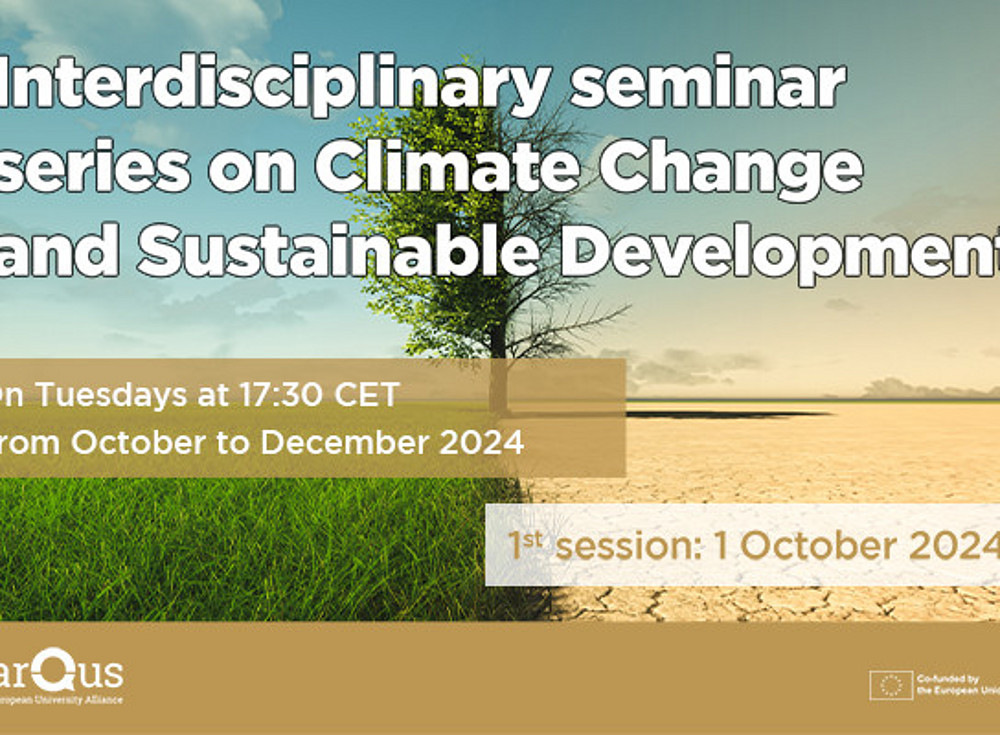
From 1 October to 17 December 2024, a series of seven interdisciplinary webinars were hosted online, engaging speakers from seven Arqus partner universities: Granada, Graz, Leipzig, Lyon 1, Padova, Vilnius, and Wrocław. Each session drew around 50 participants from across institutions, making this an impactful knowledge-sharing platform.
Topics covered included:
- The French-German MERLIN project
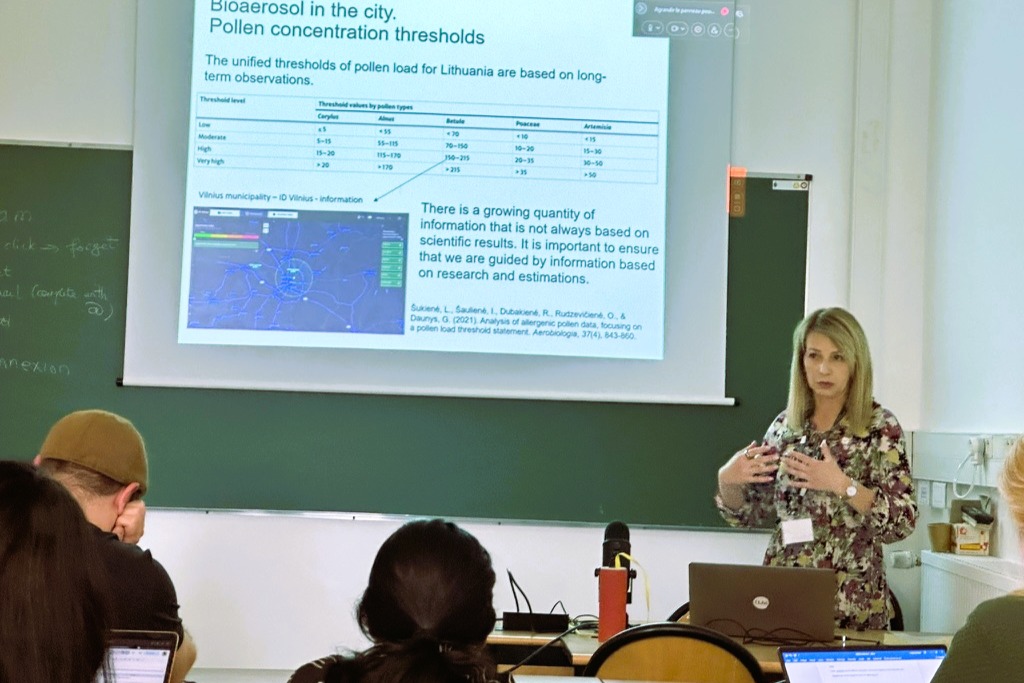
- Urban vegetation and pollen trends
- Antimicrobial resistance in a changing climate
- Global agricultural threats
- Geographical indications and food system vulnerability
- Groundwater challenges
- Arctic climate dynamics
Each webinar combined a broad introduction with an in-depth, skill-building segment and provided relevant literature for continued learning. The high level of engagement and the interdisciplinary approach not only enriched participants’ perspectives but also laid the foundation for a subsequent initiative: the Winter School.
Winter School on Bioaerosols: Scientific Insight and Collaboration
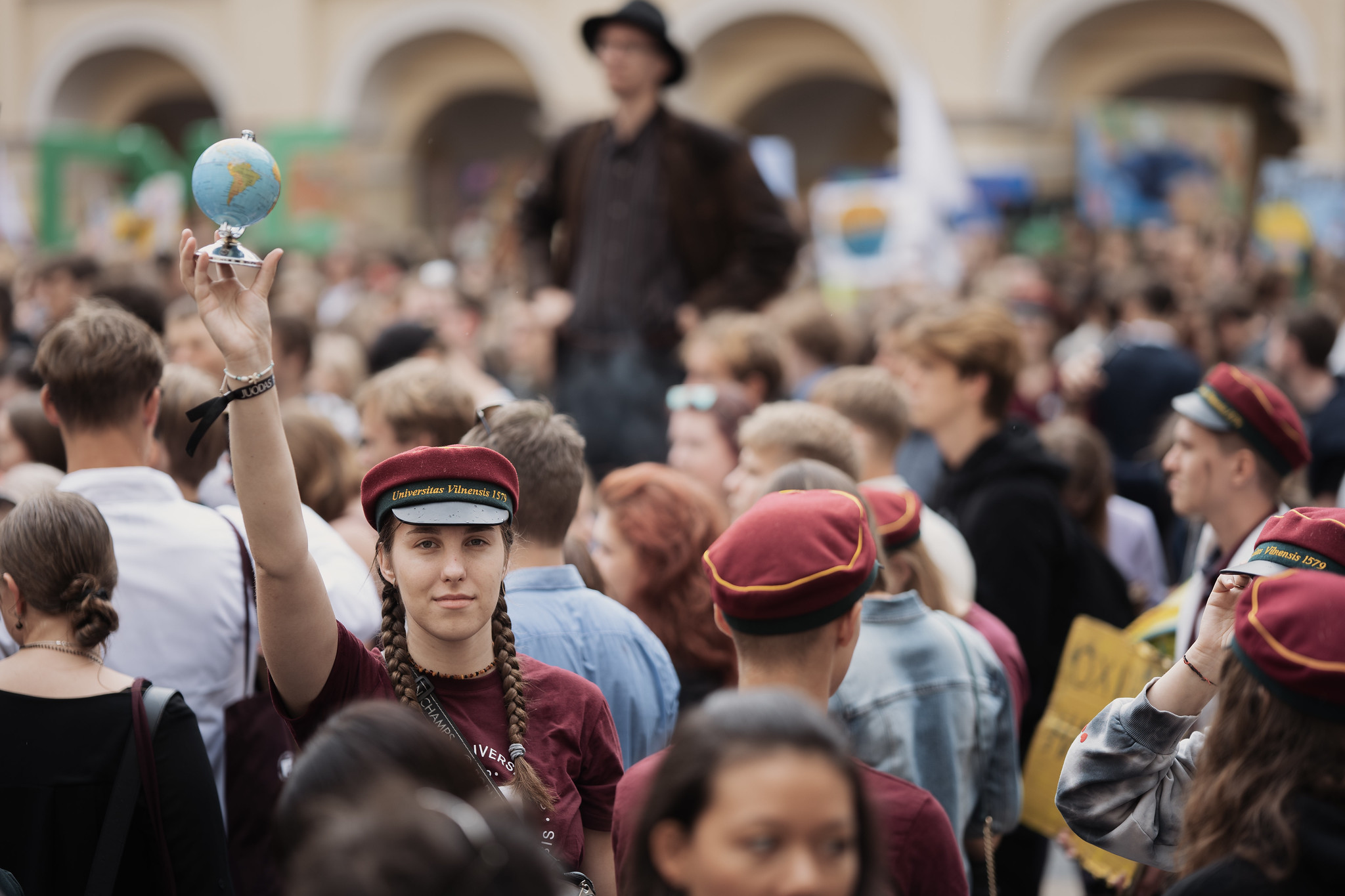
Building on the momentum of the seminar series, the Winter School took place at Lyon 1 University from 10 to 12 March 2025, involving five Arqus universities (Granada, Leipzig, Lyon 1, Vilnius and Wroclaw). The event was also broadened through collaboration with Clermont University, part of the emerging Artemis European Alliance.
The Winter School focused on bioaerosols — particles of biological origin such as pollen, fungi, viruses and even insect-related agents like mosquitoes — which emerged as a unifying topic during the webinar series due to their relevance in both climate science and public health.
Participants, spanning disciplines from physics and chemistry to biology and computer science, shared expertise and collaborated on framing new interdisciplinary research directions. A key outcome was the collective decision to co-author a review article on bioaerosols, leveraging the diverse expertise of participants. This collaborative effort will contribute to strengthening the scientific visibility of the Arqus Alliance. Additionally, the event helped foster international ties, contributing to further funding through the Weimar Initiative, involving France, Germany, and Poland.
This collaboration across disciplines and universities has led to the preparation of a scientific review paper on bioaerosols, that will soon be published. This initiative reflects the core values of the Arqus Alliance: promoting academic cooperation, interdisciplinary research, and concrete responses to global challenges like climate change. Most importantly, it illustrates how bottom-up initiatives can generate high-impact outcomes for European higher education and research communities.
Climate Change & Sustainable Development
Access all materials, recordings, and presentations from the first editions of this Interdisciplinary Series
1st Edition Series
Arqus Interdisciplinary Webinar Series
Full access to the recordings and presentations regarding Climate Change and Sustainable Development (University of Lyon 1).
Note: Some recordings are currently being formatted for better quality. Sessions 1 and 2 are unavailable due to technical issues.
Access Recordings & Slides
Summer School Materials
Arqus Summer School: 1st Edition
Repository of presentations and academic materials shared during the first edition of the Climate Change Summer School.
Status: Content is being updated periodically as new materials from speakers are received.
Access Summer School Folder