Based on the principles of multilingualism and multiculturalism that characterise European societies, the main objective of this initiative is to revitalise the study and teaching of minority and minoritised languages of Romance origin (Mirandese, Asturian, Galician, Franco-Provençal, Sicilian, Neapolitan, among others).
The rapid development of information technologies and the supremacy of “instrumental languages” are contributing to the decline and even disappearance of some minority languages in Europe, reflecting local cultures that have gradually been absorbed by a new globalised culture.
The European Charter for Regional or Minority Languages — a European treaty adopted in 1992 under the auspices of the Council of Europe — distinguishes between, on the one hand, minority or regional languages, traditionally spoken in the territory of a State by a numerically smaller group of nationals, and, on the other hand, minority languages whose use is restricted for political, social or ideological reasons (CEDRM, 2021: 148).
Our main challenge is to show university students and the general public the social and linguistic reality of these minority and minoritised languages that coexist with other commonly used majority languages (Spanish, French, Italian, and Portuguese). To this end, face-to-face and online seminars will be organised at the Universities of Minho, Granada, Padua, Graz and Leipzig to raise awareness of the importance of preserving and promoting these languages.
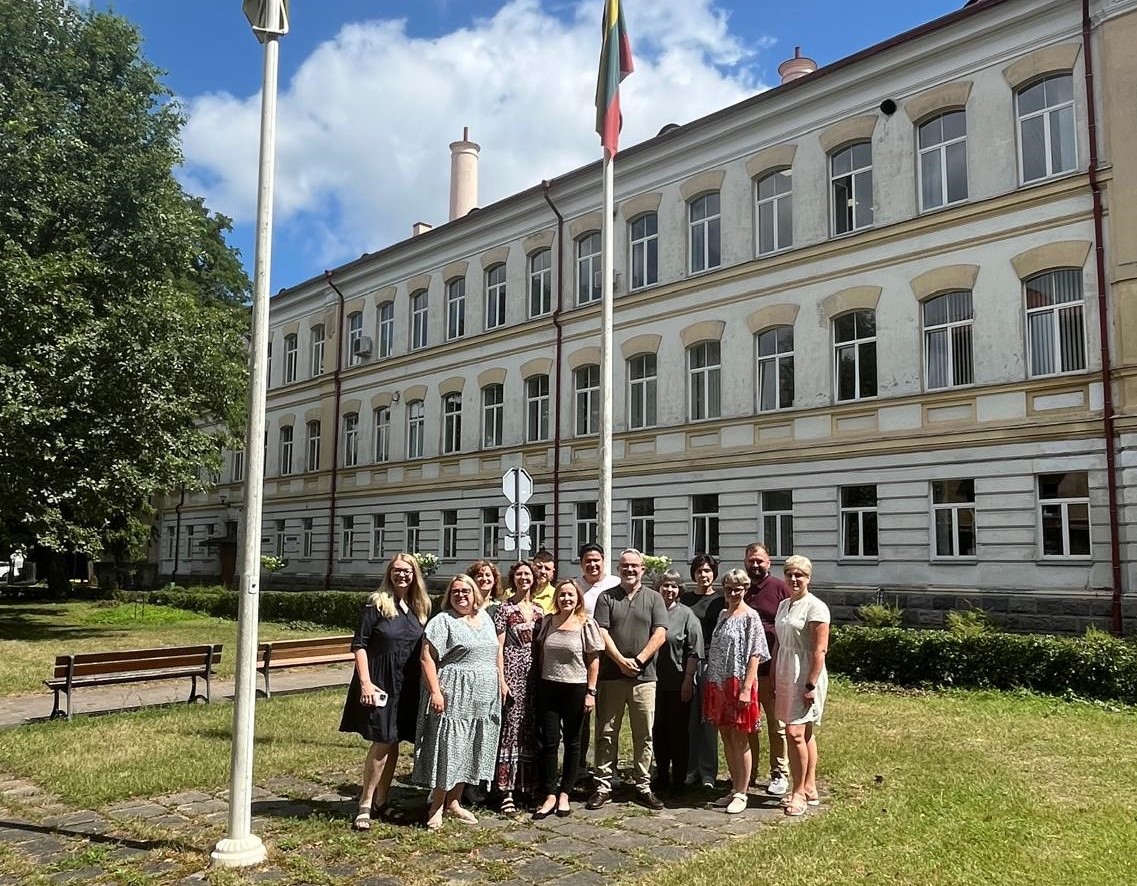
In this regard, we must not forget that multilingualism and multiculturalism are key identity features of European heritage. The Arqus Alliance acts in defence and promotion of European values, including respect for diversity, and we are fully convinced that this initiative — involving researchers and students from Granada, Graz, Leipzig, Minho and Padua — will enhance intercultural competence and strengthen mutual understanding and respect across our communities.
According to the European Charter for Regional or Minority Languages, “the protection and promotion of regional or minority languages in the different countries and regions of Europe represent an important contribution to the construction of a Europe based on the principles of democracy and cultural diversity” (CEDRM, 2021: 3).
Among the main objectives of this initiative, we highlight:
- Recognition of regional or minority languages as an expression of cultural richness
- Decisive action to safeguard and promote these languages and give them parity to majority languages
- Promotion of study and research of regional or minority languages within universities and equivalent institutions
We are convinced that linguistic diversity facilitates communication between communities and contributes to building multicultural and tolerant societies. The scientific communication and dissemination plan follows an Open Science model, ensuring broad access to results through intensive digital communication.
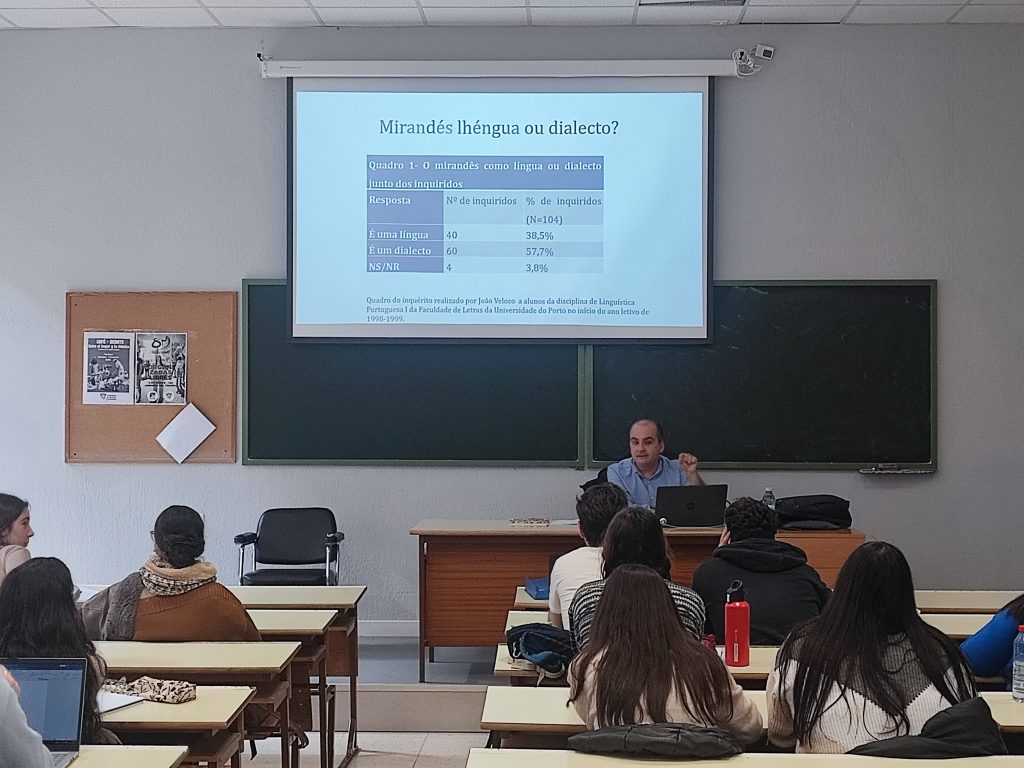
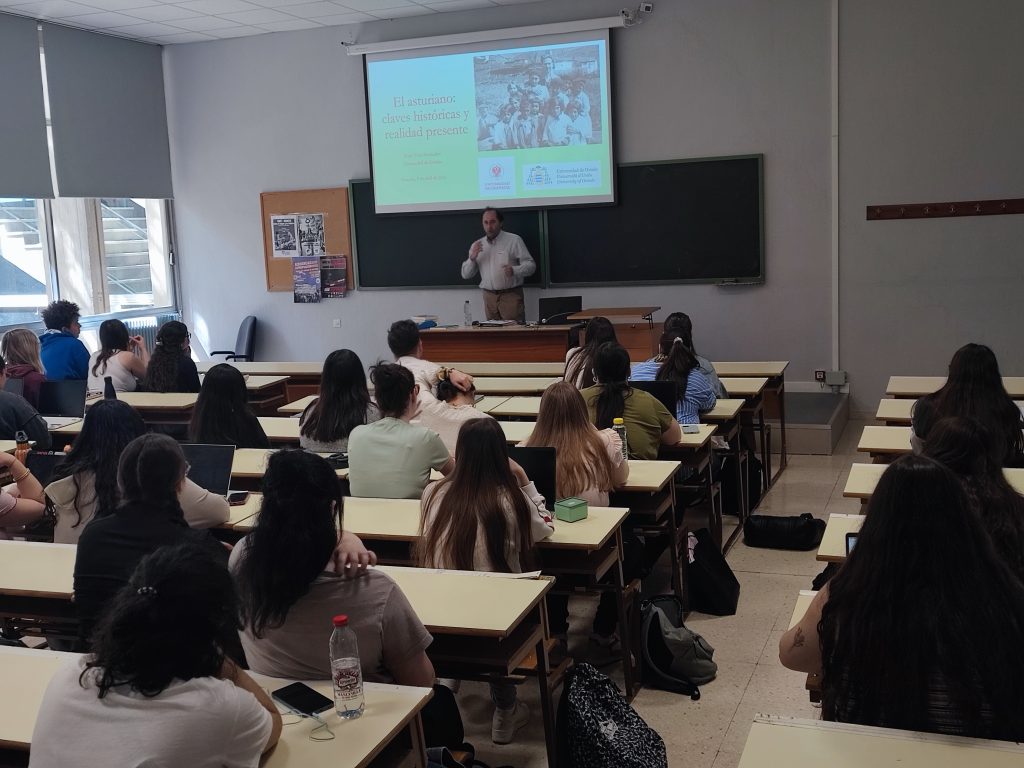
Workshops held at the University of Granada
- Alberto Gómez Bautista (University of Aveiro) – O processo de normalização linguística do galego e do mirandês em contexto (24-03-2025) (presentation)
- Xulio Viejo Fernández (University of Oviedo):
- El asturiano: claves históricas y realidad presente (09-04-2025) (presentation)
- Entre Asturias y Galicia: fronteras, lengua e identidad en la cuenca del Eo-Navia (09-04-2025) (presentation)