The Universities of Granada and Padua foster a joint training in Basic Life Support
Arqus
|
28 May 2026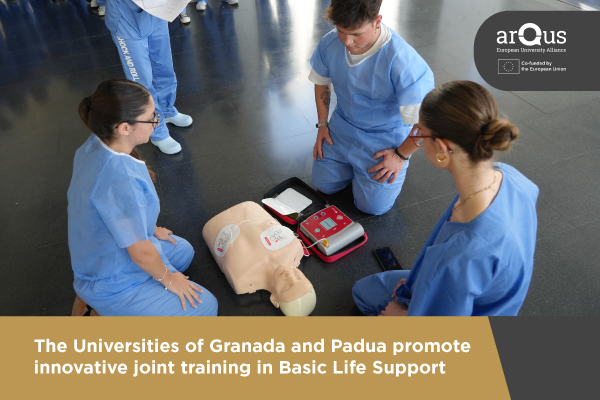
|
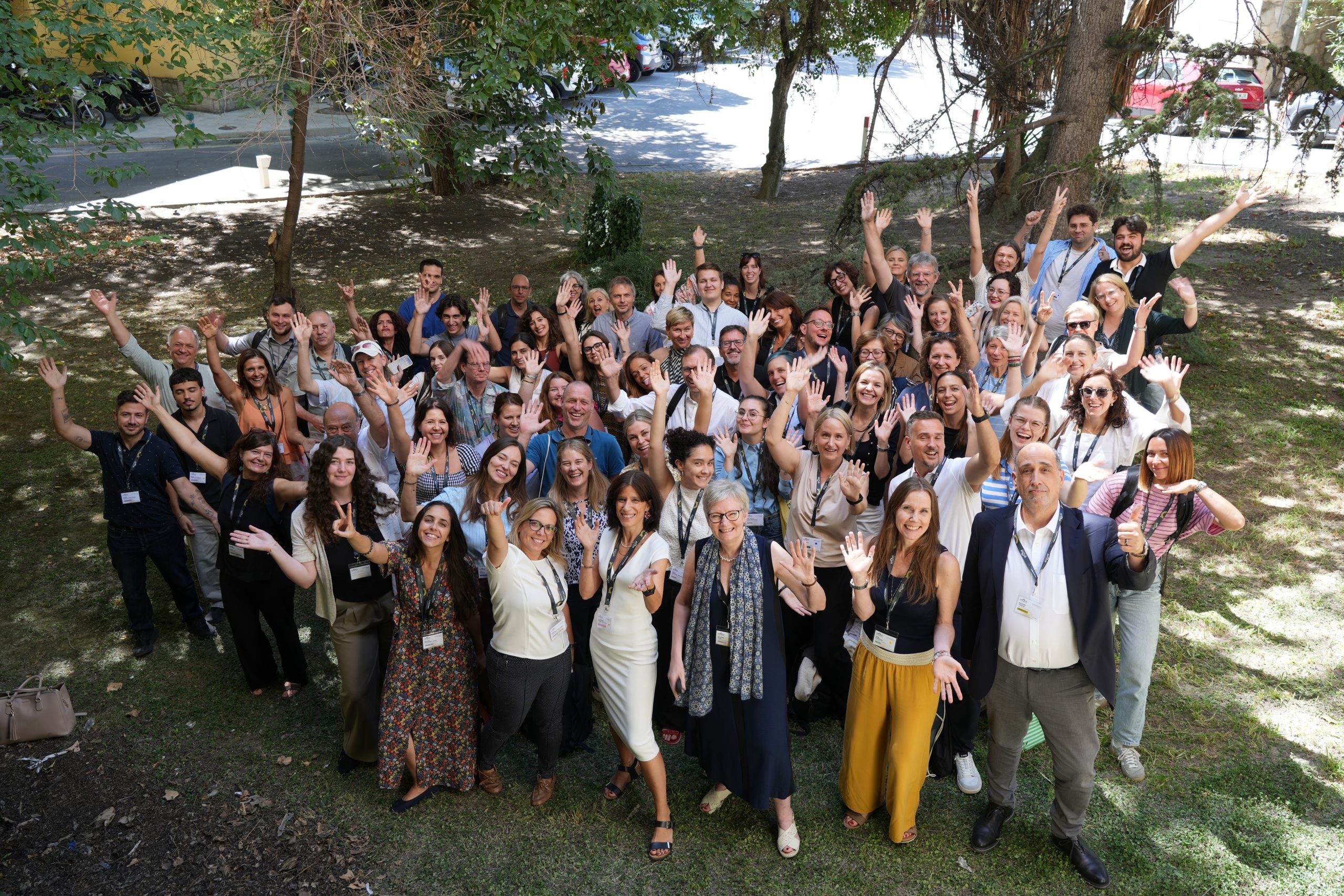
28 May 2026On 30 April, the two universities carried out an academic innovation activity funded by the Arqus Alliance and aimed at second-year medicine students. This activity focused on basic life support.The initiative allowed students from both universities to participate simultaneously in a practical BLSD session, connected in real time from their respective faculties.
This event was a pioneering experience in European medical education, providing a shared teaching environment in which Spanish and Italian students could develop clinical skills through simulations and knowledge exchange.
For José de la Rosa, one of the students, the most enriching aspect of the workshop was the opportunity to compare the two universities’ different working methods and teaching approaches. Although he noted some minor differences in procedures and methodologies, he highly valued the collaborative atmosphere generated during the debriefing sessions after each simulation. De la Rosa also noted that ‘this type of event complements theoretical learning with practical, real-life experiences […] Activities of this kind should be carried out more often, as they set university training apart from more basic levels of education, such as school or secondary education’.
The activity involved teaching staff from various departments within the Faculty of Medicine at the University of Granada. The participants were Mª Jesús Álvarez Cubero (Professor in the Department of Biochemistry and Molecular Biology III and Immunology), Antonio Cárdenas Cruz (lecturer in the Department of Medicine), Ester Leno Durán (lecturer in the Department of Obstetrics and Gynaecology) and Luis Javier Martínez González (lecturer in the Department of Biochemistry and Molecular Biology III and Immunology).
Participants from the University of Padua included Alessandro De Cassai, the initiative’s coordinator and researcher; Giulia Mormando, a researcher; Annalisa Boscolo, an assistant professor; and Paolo Navalesi, a professor in the Department of Medicine.
The project is part of the teaching innovation actions promoted by the Arqus Alliance. Through this initiative, the two universities have been able to transition to new models of medical education by sharing best practices and gaining insight into different academic and clinical contexts.


14 Sep 2026