Out and about with Arqus: A philosophical exploration in Padua
Arqus
|
29 Jul 2026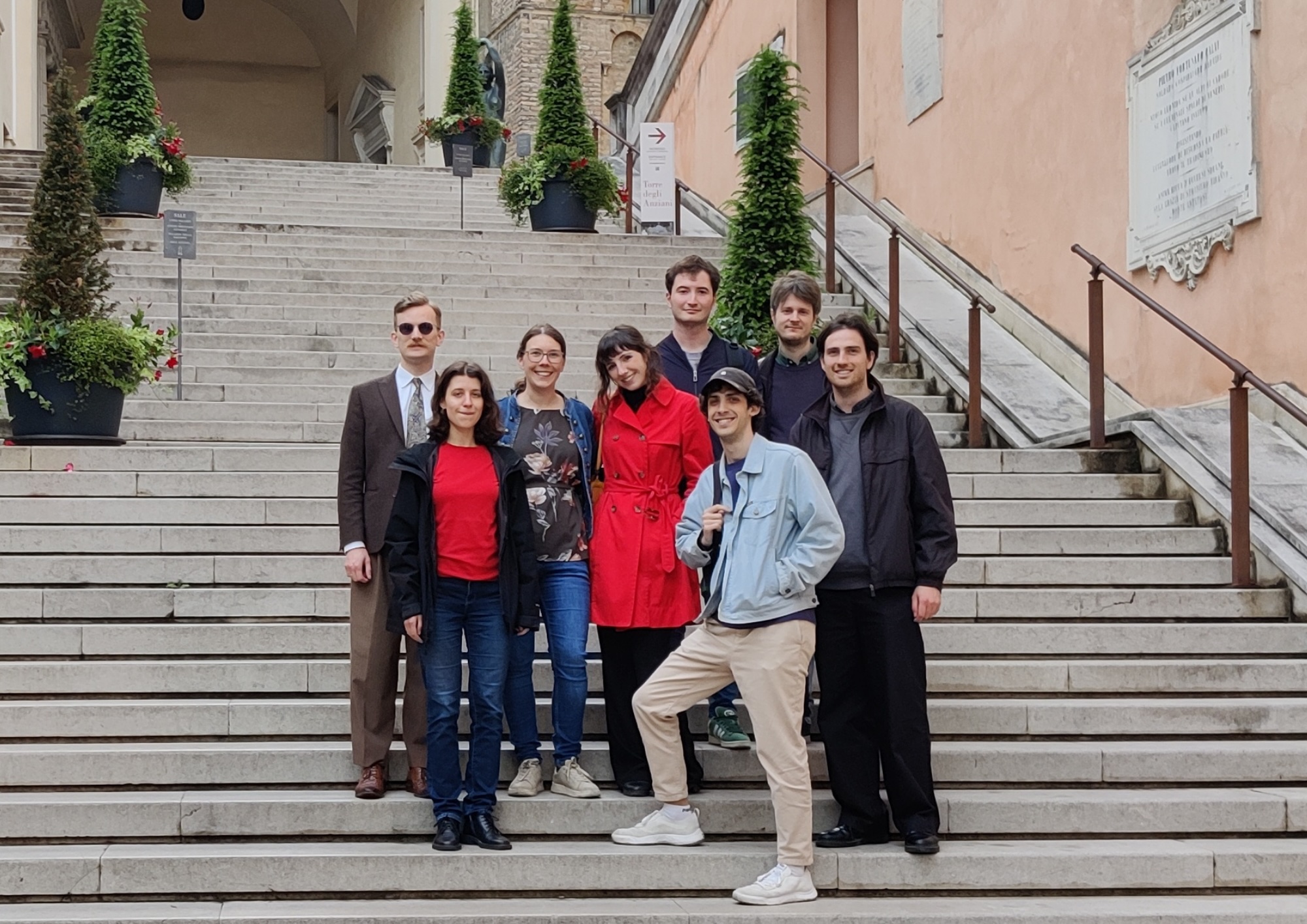
|
29 Jul 2026As part of the Arqus Alliance’s Twinning Programme, two undergraduates and two PhD students in philosophy from Leipzig had the opportunity to organise a philosophy seminar at the University of Padua together with Italian fellow students, led by Prof. Stefan Schick (Leipzig) and Prof. Barbara Santini (Padua).
The trip offered a rare opportunity to engage with a topic both systematically and historically in depth. Thanks to the hospitality of the University of Padua, academic exchange was combined with intercultural encounters. Thus, philosophical questions were discussed not only in the seminar room, but all the more intensively during coffee breaks, walks and shared meals.
The reading seminar centred on the idea of the world soul – a philosophical concept that has been used since antiquity to reflect on the relationship between humanity, nature and God. The world soul is intended to elucidate the relationship between necessity and freedom, as well as the order of the whole world and the autonomy of its parts, and is of particular significance for the question of vitality. Using selected texts, we traced the fascinating development of the concept: from its origins with Plato to its reception in classical German philosophy.
The exchange between students from different academic backgrounds was particularly enriching. The discussions often went beyond the seminar content and opened up new perspectives on the working methods practised at both institutions. The collaboration was thus a fruitful continuation of a seminar on the dispute over the orthodox concept of God in the late 18th century, for which the group from Padua had been our guests here in Leipzig in December 2025.
On the journey there, we read a 1978 travel guide to Padua. The flowery language raised doubts as to how much of what was described could still be found in today’s Padua. Would we still find “the cheerful harmony of the Carmine dome, enticing the visitor crossing the bridge to linger”? Would we notice the “unbroken contrasts between the new and the old” there, and would we, “the strangers”, find them pleasing? The local group made it easy for us – whether we were in the Piazza dei Signori, inside the Palazzo della Ragione, or strolling along the River Bacchiglione – and indeed, that is how we experienced Padua and had to admit: there was nothing but serene harmony!
Article by Katja Grimm, Konrad Lucas, Kateryna Lysenko and Jonathan Weinmann (Leipzig University)