The micro-credential (MCC) Living Lab, Heritage and Society: Theoretical and Methodological Foundations for the Co-construction of Heritage Knowledge with Local Communities responds to the need to train students in innovative and participatory approaches within the field of cultural heritage, from an immersive perspective.
It is based on the Living Lab concept and seeks to address the growing demand for collaborative methodologies that integrate local communities into the construction of heritage knowledge, as they are the custodians of the heritage with which they maintain identity-based ties.
The MCC aligns with the objectives of internationalization, interdisciplinarity and pedagogical innovation promoted by Arqus, fostering transnational learning experiences and practices based on real-world challenges.
It addresses the need to develop practical and applied skills, beyond theoretical knowledge, incorporating ethnographic and anthropological methodologies such as observation, interviews, and visual records in real contexts, as well as contributions from sociology (life histories) and communication sciences (message–receiver, digital communication), alongside methodologies specific to archaeology (recording materiality) and architecture (analysis of spatiality and construction processes), both of which are structural pillars of the MCC.
The MCC is developed within Arqus and involves the participation of the University of Minho (coordinating institution) and the University of Granada. At UMinho, it is integrated into the educational offerings of the Institute of Social Sciences (ICS) and the School of Architecture, Art and Design (EAAD), as well as the research unit Landscape, Heritage and Territory Laboratory (Lab2PT). It is part of initiatives funded by the Arqus Alliance in 2025.
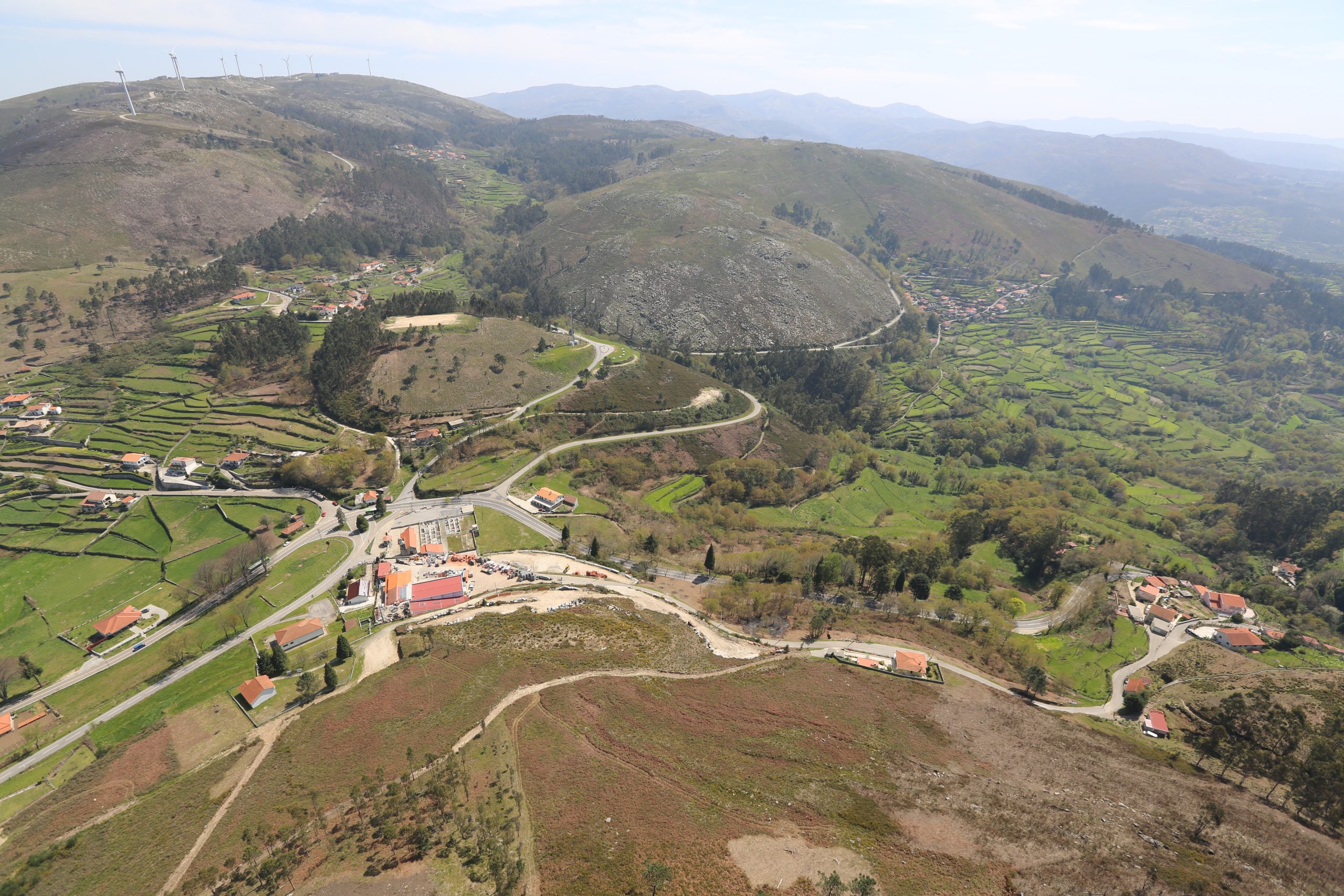
The MCC is also connected with initiatives such as the Escola do Território de Extremo (Portugal), for which a conceptual model and an architectural project are being developed by EAAD, Lab2PT, and the Archaeology Unit (UAUM), in a space provided by the Union of Parishes of Portela-Extremo (the former primary school building). This initiative is promoted by this entity and the Municipality of Arcos de Valdevez, strengthening the link between university, territory, and community, and reinforcing UMinho’s institutional commitment to knowledge transfer and social impact.