Cultural heritage constitutes one of the common goods that shape us as societies and one of the elements that define our identities. Europe is a reality formed by a set of countries with their own distinct heritage and identities, as well as others that are shared across borders.
Processes such as globalization, demographic decline, population ageing, and migration movements are realities that affect us collectively and are especially impactful in rural areas — a phenomenon that is becoming increasingly concerning in Southern Europe and particularly in the Iberian Peninsula.
Cultural heritage has another important characteristic: while its study, characterization, and management concern academia and public administration, they also involve civil society, which is not always sufficiently considered in the identification, preservation, recovery, and transmission of heritage and memory to future generations. Local communities are, however, holders and transmitters of essential knowledge required to manage and preserve this heritage. For this reason, they must play an active role in the processes of knowledge production surrounding cultural heritage as an identity-building element of our societies.
This course is aimed at individuals interested in building knowledge about heritage together with the communities that inhabit, use, and safeguard it. It is also directed at those interested in heritage and rural landscapes affected by processes such as migration, the abandonment of traditional practices, and depopulation.
The course will help participants acquire tools to understand the cultural heritage of rural spaces as a complex reality that must be approached critically and transdisciplinarily, combining methods and techniques focused on tangible heritage, intangible heritage, and people. It adopts both scientific and emotional, academic and social perspectives.
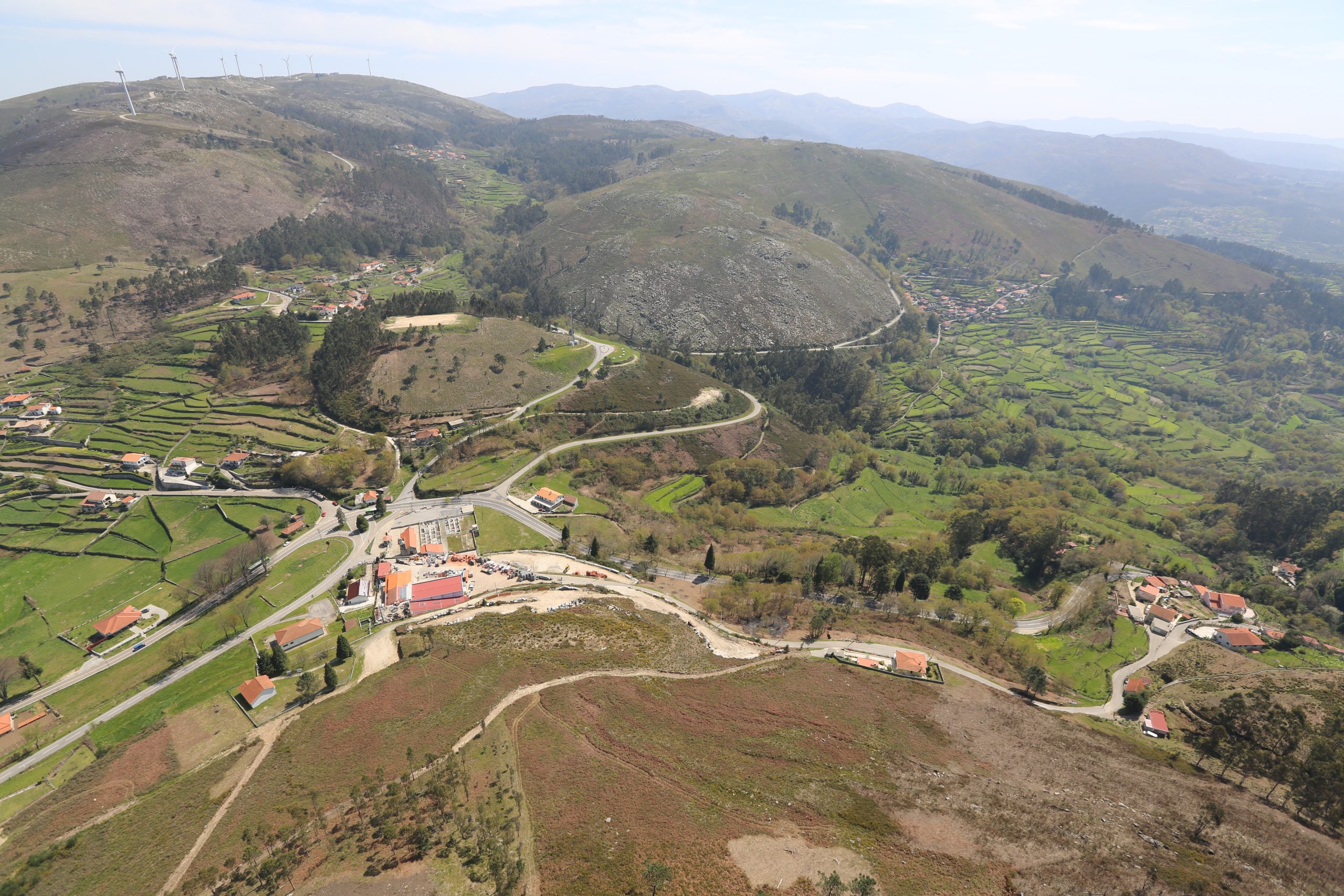
How will this be achieved? The course includes an immersive component that will take place in the village of Extremo, Portugal, where participants will interact directly with the local community using heritage research methodologies and preservation techniques, while also applying tools from the social sciences and communication studies for both knowledge collection and dissemination.
Participants will learn to generate knowledge collaboratively through project-based learning, engaging in the resolution of real-world Cultural Heritage challenges — particularly archaeological heritage in rural contexts — identified by the local community itself. In this way, they will learn to bridge the gap between academic knowledge, cultural traditions, and practical knowledge.
The course Living Labs, Heritage and Society: Theoretical and Methodological Foundations for the Co-construction of Heritage Knowledge with Local Communities also aims to encourage the use of digital tools and artificial intelligence in heritage research, exploring how AI can be applied to the creation of interactive digital models of local heritage and thereby enrich cultural tourism experiences.
Participants will learn to develop proposals capable of generating a real impact on the local community, with a focus on designing sustainable development plans that integrate heritage preservation with green economy initiatives.
Through a participatory strategy, the community involved in this course — teachers, students, and civil society — will contribute to defining Living Labs as a tool for interaction between academia and society. In doing so, they will help strengthen cooperative ties in the construction of a European future in which cultural heritage becomes one of the central pillars of sustainable development guided by the principles of participatory heritage governance. In this context, the course will highlight the potential of rural landscapes as spaces of innovation, memory, and collective future-building.
Participants will be challenged, stimulated, and encouraged to develop a project addressing a real cultural heritage challenge and transform it into a tool for the future — working collaboratively with colleagues from different disciplines and with the communities who are the protagonists of these landscapes.